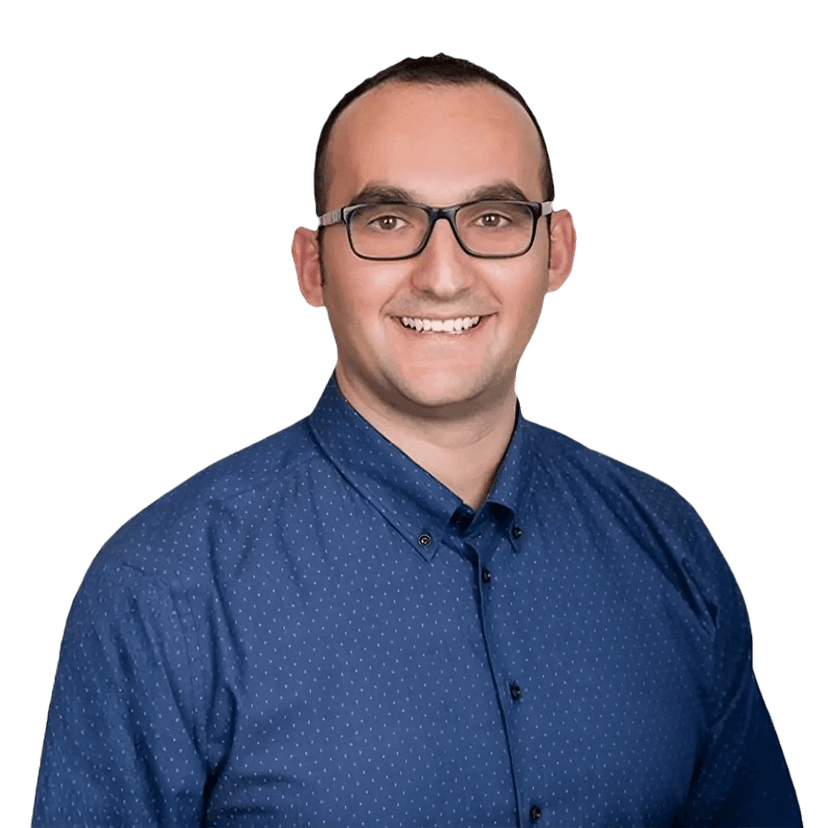
Shockwave Specialist
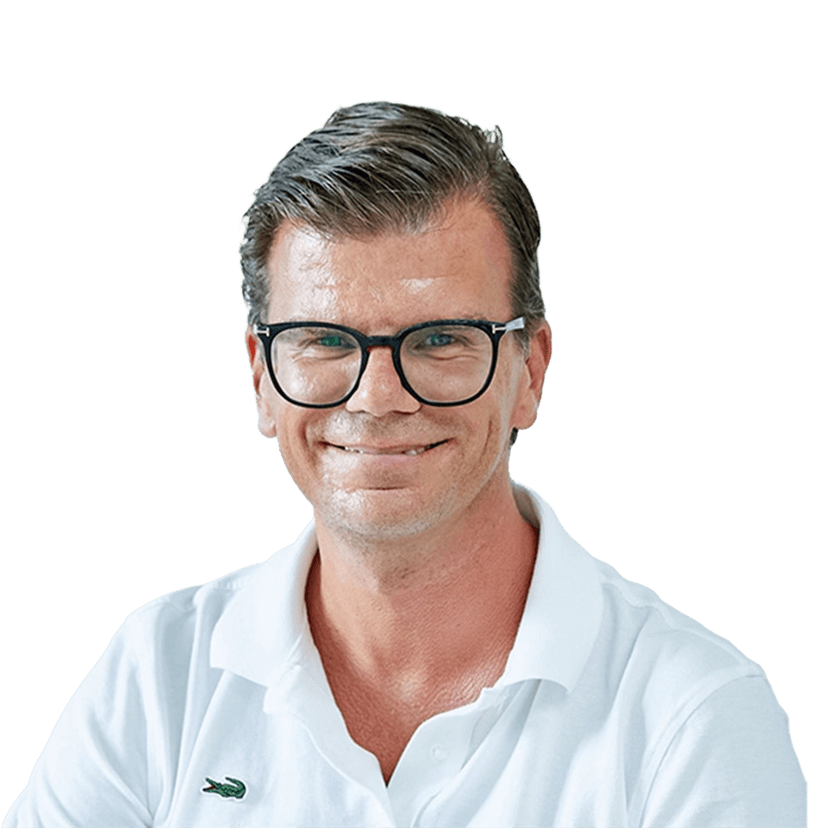
Surgeon & Shockwave Specialist
Why One Of Europe’s Most Credentialed Surgeons Stopped Operating And Built His Practice Around Shockwave
Jun 5, 2026 — 1 hr 25 min — Surgery
Why One Of Europe’s Most Credentialed Surgeons Stopped Operating And Built His Entire Practice Around Shockwave Instead
If you are a practitioner who owns a shockwave device, is thinking about buying one, or is already building a practice around regenerative tools, stop what you are doing and pay attention to this episode.
Prof. Dr. Karsten Knobloch is board certified in five disciplines. General surgery. Plastic and aesthetic surgery. Hand surgery. Emergency medicine. Sports medicine. He was on the fast track to run a hospital department in Germany by age forty. Then he did something almost no one with his resume has done. He put the scalpel down.
In this conversation with Uran Berisha, Dr. Knobloch walks through 20 years of clinical discovery. How he accidentally chose focused over radial in 2006. Why he now treats nearly every surgical patient with shockwave before and after the operation. How he combines ESWT, EMTT, lasers, and ultrasound guided injections to produce results that most practitioners do not believe are possible. And why he is convinced the future of musculoskeletal, neurological, and aesthetic care is regenerative, not surgical.
If you treat patients with shockwave, this episode will change what you do on Monday morning.
You Have The Device And Still Feel Like You Are Guessing
Every practitioner who has bought a shockwave device knows this feeling. You made the investment. Twenty thousand dollars. Fifty thousand. Sometimes a hundred. You sat through the one-day installation training. You treated the easy cases—plantar fasciitis, tennis elbow, a few shoulders—and got some wins.
Then the harder patients walked in. The post-surgical scars. The non-union fractures. The chronic tendinopathy that had already been through three other clinics. The elite athlete who expects to be back on the field in two weeks. And suddenly you realize the truth nobody told you when they sold you the machine.
You are not really practising shockwave. You are operating a shockwave device. There is a difference, and it is the difference between 40% outcomes and 85% outcomes. It is the difference between a device that sits unused in a back room and one that rebuilds your entire revenue model. It is the difference between a clinic that loses patients to the next modality trend and one that becomes the place people fly in from other provinces to see.
The Hidden Cost Of Under-Trained Shockwave Operators
Dr. Knobloch has been watching this problem for two decades. And he is blunt about the cost. Every under-trained operator who delivers a mediocre shockwave treatment is not just losing that patient. They are quietly damaging the reputation of the entire field.
Why One-Day Training Keeps Producing Average Clinicians
Most practitioners in North America are introduced to shockwave the same way. A salesperson shows up. They demo the device. The protocols look simple. The handpiece gets put in your hand. You are told you can be billing within a week. And that is exactly the problem.
Dr. Knobloch watched Uran describe a recent chiropractic conference in Vegas where 12 vendors were selling shockwave devices and the sales staff could not explain what the devices actually did. This is not an isolated moment. It is the entire North American market right now. In Canada and the United States, there is almost no regulation around who can perform shockwave, what training is required, or what technology even qualifies as shockwave in the first place. Amazon is selling cheap Chinese devices as “shockwave therapy” that deliver a fraction of the energy a clinical-grade machine produces.
Three Failures In The North American Shockwave Market
First, the learning curve is underestimated. As Dr. Knobloch points out, shockwave has a much steeper learning curve than laser or magnetic field therapy. Pressures, frequencies, applicators, depth, patient positioning, focal versus radial selection, combination sequencing. A practitioner does not graduate out of this. They grow into it for years.
Second, the technology is confused. Radial devices are being sold as focused. Pneumatic pressure wave devices are being sold as shockwave. Practitioners end up treating conditions with the wrong energy and wondering why the outcomes are flat.
Third, the combinations are missed. Most practitioners run shockwave alone. They do not add EMTT. They do not pair it with ultrasound guided injections, PRP, or peptides. They do not pre-treat tissue a week before a biologic. And they do not understand that the real magic of regenerative care is not any single tool, it is the orchestration of several tools in the right sequence.
Why Combination Therapy Separates Average From Elite Results
This is the real reason shockwave has not broken through in North American sports medicine, surgical recovery, and mainstream orthopaedic care the way it has in Europe. It is not the science. The science is there. It is the delivery.
What It Takes To Become The Clinician Other Clinicians Refer To
This is the gap Medical Shockwave Institution was built to close. The podcast Make It Concise Connective exists to put practitioners face to face with the clinicians who shaped this field. People like Dr. Knobloch. Dr. Wolfgang Schaden. Dr. Ludger Gerdesmeyer. Dr. Carlos Leal. The ones who wrote the books, ran the trials, and built the protocols that everyone else is now downstream from.
When you hear how Dr. Knobloch thinks through a Dupuytren’s contracture, or a bone oedema in a pro athlete, or a post-surgical scar, or a stuck Achilles tendinopathy, you are not getting a protocol. You are getting 20 years of clinical pattern recognition, compressed into an hour.
Our content system extends that. Written breakdowns of combination protocols. Case studies pulling shockwave, EMTT, NESA neuromodulation, and biologics into coordinated regenerative sequences. Training resources for practitioners who are ready to move past the one-day installation course and actually master the craft.
And for those who want to go deeper, the Medical Shockwave Institute training programs exist to turn operators into clinicians. Live workshops. Hands-on testing across multiple device families—electrohydraulic, piezoelectric, electromagnetic—so practitioners can feel the difference themselves before they commit to a machine. The ISMST and ASMST membership pathways. Continuous education, which in Dr. Knobloch’s words is how he still learns something new with every patient after 20 years in the field.
This is the difference between having a shockwave device and having a shockwave practice. Between being one of twelve clinics in your city that offers it, and being the one clinic other clinicians refer to when their protocols have run out.
How Dr. Knobloch Approaches Pre-Surgical And Post-Surgical Shockwave
Pre-conditioning tissue with shockwave before surgery reduces complications—Dr. Knobloch proved this in his own microsurgical free flap cases, and Austrian tummy tuck data showed better scar quality when focused shockwave was applied the day before surgery. Post-surgical shockwave should start as early as possible, with the best results coming from treatment before or immediately after the operation, and still-good results 24 hours later.
The Learning Curve Nobody Talks About
The learning curve for shockwave is much steeper than for lasers or magnetic field therapy. A practitioner does not graduate out of it after a one-day course—they grow into it for years through textbooks, webinars and VR training, live workshops through DIGEST, ASMST, and ISMST, and the continuous medical education Dr. Knobloch treats as non-negotiable.
Conclusion
Dr. Knobloch did not walk away from surgery because he lost faith in his training. He walked away because he discovered something that made him a better clinician than the scalpel ever could. And he has spent 20 years proving it, patient by patient, paper by paper, conference by conference.
The practitioners who will lead the next decade of pain care are the ones who are taking this work seriously right now. The ones reading the books, attending the ISMST and ASMST meetings, testing devices before they buy, combining tools intelligently, and treating shockwave as a craft rather than a service line.
This episode of Make It Concise Connective is a masterclass in how that clinician thinks. How he sequences. How he combines. How he communicates with surgeons, with athletes, with aesthetic patients, and with the neurological cases he is now treating with TPS. It is also, in a quieter moment at the end, a reminder of something easy to forget. Shockwave did not just reconstruct Dr. Knobloch’s career. It introduced him to his wife, gave him his son, and built his community. Few tools in medicine can claim that.
If you work with this technology, this is the conversation you want in your ears this week.
Chapters
- 00:00Introduction to Dr. Karsten Knobloch
- 02:48Transitioning from Surgery to Regenerative Medicine
- 05:25Discovering Shockwave Therapy
- 08:11First Experiences with Shockwave Therapy
- 10:50The Impact of Shockwave on Surgical Outcomes
- 13:37Combining Shockwave with Other Therapies
- 16:23Understanding Shockwave Therapy
- 19:06Regulatory Landscape and Community Acceptance
- 31:00The Evolution of Shockwave Therapy
- 35:57Innovations in Neurological Applications
- 41:11Preventive and Aesthetic Uses of Shockwave Therapy
- 47:55Combining Shockwave Therapy with Other Treatments
- 1:01:08The Importance of Scientific Evidence in Medical Practices
- 1:02:52Innovative Approaches in Soft Tissue Engineering
- 1:05:27Combining Techniques for Enhanced Healing
- 1:07:06Challenges in Professional Sports Medicine
- 1:13:31Optimizing Athletic Performance with Regenerative Therapies
- 1:15:11Getting Started with Shockwave Therapy
- 1:19:01The Future of Shockwave Devices
- 1:22:28Personal Reflections on Shockwave Therapy
Key Takeaways
- A fully credentialed surgeon can build a bigger career by choosing not to operate. Dr. Knobloch is board certified in five disciplines and now rarely uses the scalpel.
- Patients vote with their feet. He expected surgical referrals and instead attracted patients who wanted him because he knew how to operate and chose not to.
- He chose focused shockwave over radial in 2006 almost by accident, based on one demo with a German distributor.
- His first shockwave patient was a Ledderhose case who refused another surgery. Three treatments reduced her pain by 50 to 75 percent.
- Shockwave does not destroy fibrotic nodules, even after 20 years of trying. What it does is decelerate disease progression and modulate the fibrotic process.
- Pre-conditioning tissue with shockwave before surgery reduces complications. He proved this in his own microsurgical free flap cases.
- Austrian tummy tuck data showed better scar quality when focused shockwave was applied the day before surgery.
- Post-surgical shockwave should start as early as possible. Best results come from treatment before or immediately after the operation, with still-good results 24 hours later.
- Radial shockwave can crack bacterial biofilm by up to 50 percent, which has real implications for wound care and infection.
- The future of regenerative care is combination, not single modality.
- Shockwave and EMTT are congenial. Shockwave works on acoustic mechanisms. EMTT works by shifting membrane voltage across the nucleus, mitochondria, and endoplasmic reticulum.
- Dr. Gerdesmeyer calls the integrated approach soft tissue engineering. Dr. Knobloch calls it the regenerative clockwork.
- EMTT stimulates bone mineralization at every stage, based on Leonard Gerdesmeyer's three-year Harvard bone cell studies.
- Non-union fractures heal in 3 to 4 weeks with three combined shockwave and EMTT treatments.
- Osteoporosis, and potentially even bone density loss during space flight, may respond to combined energy based therapies.
- Shockwave preconditions tissue for biologic injections. Timing it about a week before PRP, stem cells, or hyaluronic acid may upregulate CD44 receptors.
- Shockwaving a PRP syringe before injection increased growth factor levels by 300 percent in equine studies.
- The ideal combination protocol is one shockwave before a biologic, plus two to three after.
- Shockwave extends the effect of botulinum toxin. He delivers 2000 shots immediately before every botulinum injection, and patients return later than the usual 3 to 4 month cycle.
- Radial shockwave can help resolve filler complications, including granulomas from permanent fillers.
- EMTT on the face is currently off-label. Practitioners exploring aesthetic applications must communicate this transparently.
- TPS uses MRI-guided navigation to deliver focused shockwave to precise brain regions in real time.
- The Alzheimer's protocol is 6 sessions over 2 weeks, a refresh at 4 weeks, then maintenance every 6 weeks to 3 months.
- Early treatment matters more than aggressive treatment. TPS does not work well in advanced disease.
- Harvard is running the second TPS Parkinson's trial, which may accelerate FDA approval in North America.
- TPS is expanding into depression, ADHD in children, and concussion recovery in athletes.
- Germany and Austria regulate focused shockwave as physician-only. North America does not regulate it at all, which has created a wild west market.
- Under-trained operators with cheap, under-powered devices damage the reputation of the whole field.
- The learning curve for shockwave is much steeper than for lasers or magnetic field therapy.
- Elite pro sports team adoption lags far behind the science due to tradition, hierarchy, and reluctance to change.
- Teams that do adopt the technology guard it as a competitive advantage, which blocks high-level trials in pro sport.
- Physiotherapists often drive adoption before physicians, but a hierarchy gap means physicians may dismiss ideas based on who raised them.
- Test devices in person before buying. Electrohydraulic, piezoelectric, and electromagnetic focused devices all feel and perform differently.
- Miniaturization is coming for radial and piezoelectric devices. EMTT will stay larger due to high voltage coil requirements.
- Three pillars of practitioner development: textbooks, webinars and VR training, and live workshops through DIGEST, ASMST, and ISMST.
- Continuous medical education is non-negotiable. He still learns something new with every patient after 20 years.
- Shockwave reconstructed his personal life. He met his wife at a shockwave workshop in Austria, which led to their marriage and the birth of their son.
Join Our Newsletter!
Ready to elevate your Shockwave training? Our newsletter is your direct line to mastering the most effective techniques and insights.